
宮鵬教授Prof. Peng Gong
香港大學The University of Hong Kong

地球表面的急速城市化,是人類世最鮮明的特徵之一。到本世紀中葉,全球超過68%的人口預計將居住在城市地區,而全球城市建成區的範圍可能擴大至約三倍。城市化不僅是人口與經濟過程,也是一股地質力量,在多個尺度上重塑地表、氣候、水文、生態系統及生物地球化學循環。
城市也日益承受這些轉變所帶來的後果。熱浪、洪水、污染、基礎設施失效及新興傳染病在高密度城市空間中交匯,往往加劇社會與空間不平等。這一雙重現實使學科分割愈來愈難以成立:城市不能只被理解為工程系統、經濟空間、生態斑塊或社會容器。
城市系統科學透過將系統思維納入地球系統視角來回應這一挑戰。它把城市視為複雜適應性的「人類—自然—技術」耦合系統,並整合系統科學、地球系統科學、地理學、生態學、計算機與數據科學、工程學、經濟學、公共健康及社會科學的知識。其目的在於揭示塑造城市演化的結構、過程、動態及多尺度反饋,並將這些知識轉化為更好的規劃、政策、管理與集體行動。
第二屆城市系統科學國際研討會將鞏固這一新興領域,連結鮮有機會在同一科學論壇交流的學術社群,並集中各方專長,回應城市轉型中的生態、氣候、健康、出行、經濟及治理挑戰。
One of the most visible signatures of the Anthropocene is the rapid urbanisation of the Earth’s surface. By mid-century, more than 68% of the world’s population is expected to live in urban areas, while the global extent of urban built-up land could expand roughly threefold. Urbanisation is not only a demographic and economic process; it is also a geological force. It reorganises land surfaces, climate, hydrology, ecosystems and biogeochemical cycles at multiple scales.
Cities are also increasingly exposed to the consequences of these transformations. Heatwaves, floods, pollution, infrastructure failures and emerging infectious diseases converge in dense urban spaces, often amplifying social and spatial inequalities. This dual reality makes disciplinary fragmentation increasingly untenable: cities cannot be understood solely as engineered systems, economic spaces, ecological patches or social containers.
Urban Systems Science responds to this challenge by bringing systems thinking into an Earth-system perspective. It treats cities as complex adaptive, coupled human-natural-technological systems and integrates insights from systems science, Earth system science, geography, ecology, computer and data science, engineering, economics, public health and the social sciences. Its purpose is to reveal the structures, processes, dynamics and multi-scale feedbacks that shape urban evolution and to convert that knowledge into better planning, policy, management and collective action.
The 2nd International Symposium on Urban Systems Science will consolidate this emerging field, connect communities that rarely meet in the same scientific forum and focus their combined expertise on the ecological, climatic, health, mobility, economic and governance challenges of urban transformation.
複雜性與耦合Complexity and coupling
綜合觀測、感測與實驗Integrated observation, sensing and experimentation
計算、人工智能、建模與開放數據科學Computing, AI, modelling and open data science
生態、代謝與可持續環境Ecology, metabolism and sustainable environments
出行與智能交通Mobility and intelligent transportation
城市氣候、複合風險與適應Urban climate, compound risk and adaptation
經濟、創新與公正轉型Economics, innovation and just transitions
環境暴露與公共健康Environmental exposure and public health
政策、規劃與集體行動Policy, planning and collective action
香港大學The University of Hong Kong

天津大學Tianjin University
按姓氏英文字母排序 In alphabetical order of surnames
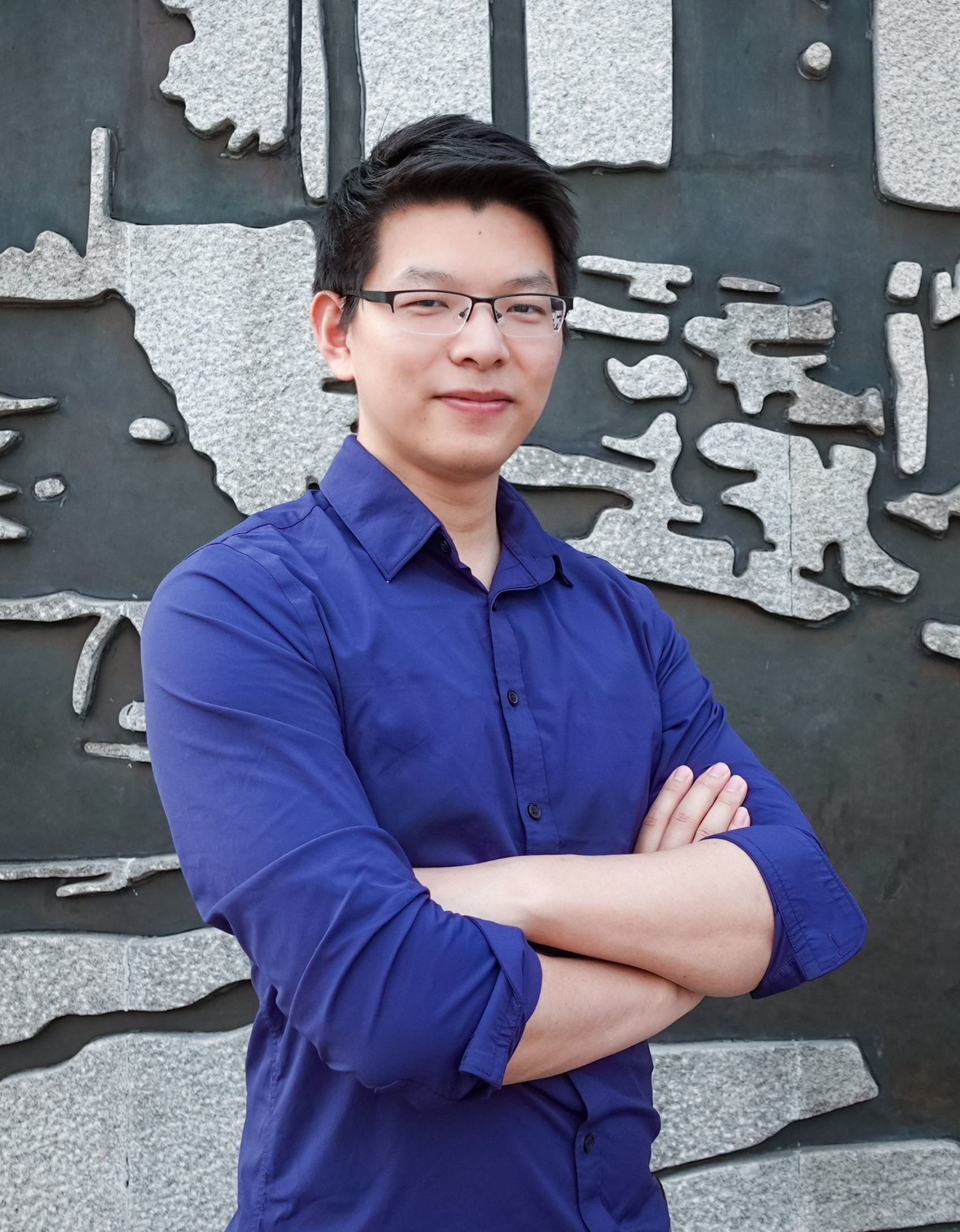
香港大學The University of Hong Kong

香港大學The University of Hong Kong

香港大學The University of Hong Kong

香港大學The University of Hong Kong

香港大學The University of Hong Kong
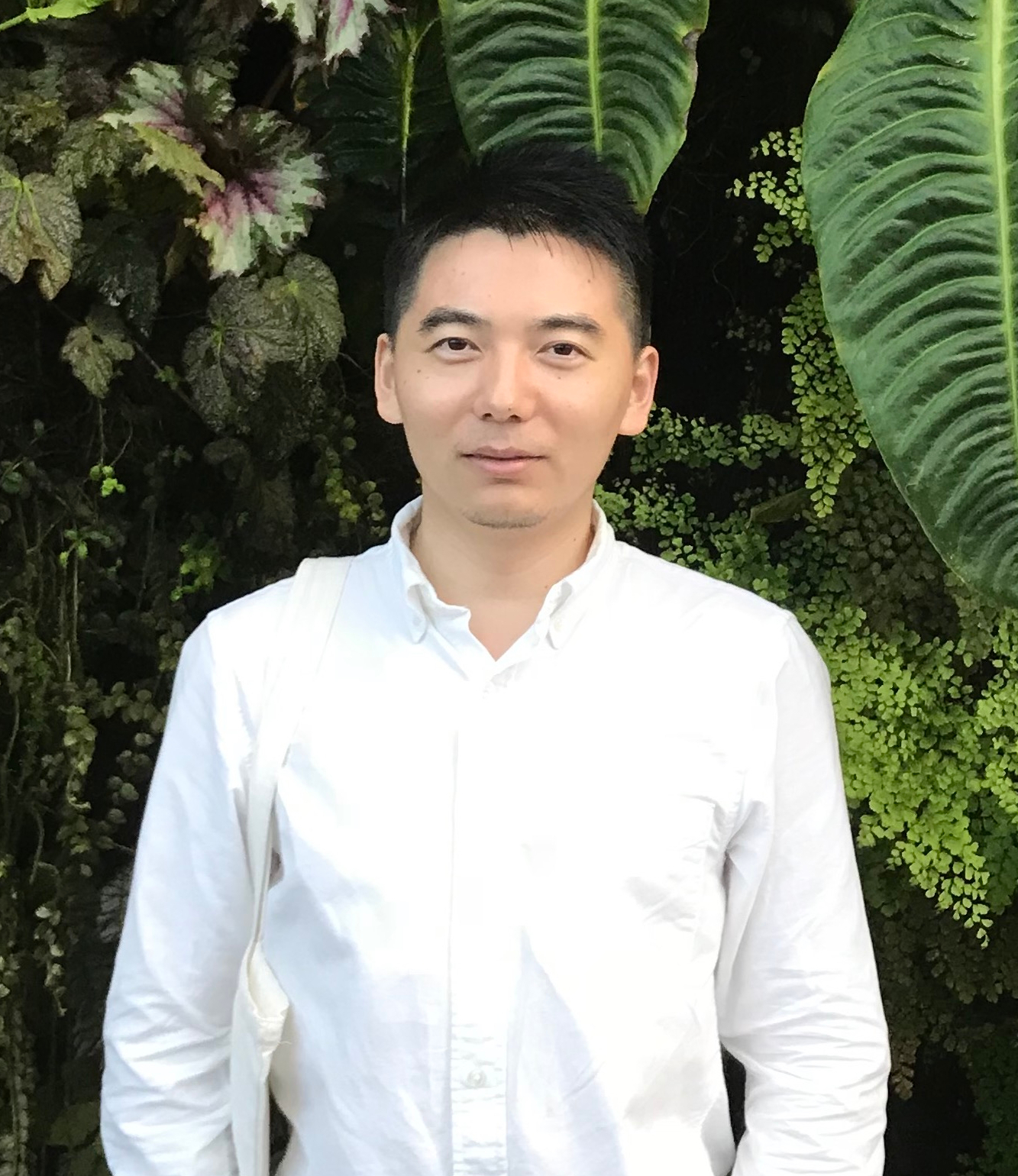
香港大學The University of Hong Kong

香港大學The University of Hong Kong
Urban Systems Institute, The University of Hong Kong
School of Earth System Science, Tianjin University
Institute for Climate and Carbon Neutrality, The University of Hong Kong
Department of Geography, The University of Hong Kong
註冊暫未開放Registration Not Yet Open
| 參會類別Participants | 早鳥費用Early-bird rate2026年11月20日或之前 By 20 November 2026 | 一般費用Regular rate2026年11月20日之後 After 20 November 2026 |
|---|---|---|
| 一般參加者Ordinary participants | 港幣 2,600元HK$2,600 | 港幣 3,000元HK$3,000 |
| 學生Students | 港幣 1,300元HK$1,300 | 港幣 1,500元HK$1,500 |
摘要須以英文提交,最多 300 詞。Abstracts must be submitted in English and must not exceed 300 words.
註冊暫未開放。Registration is not yet open.
網站 Website
www.usi.hku.hk電郵 Email
urbansystems@hku.hk